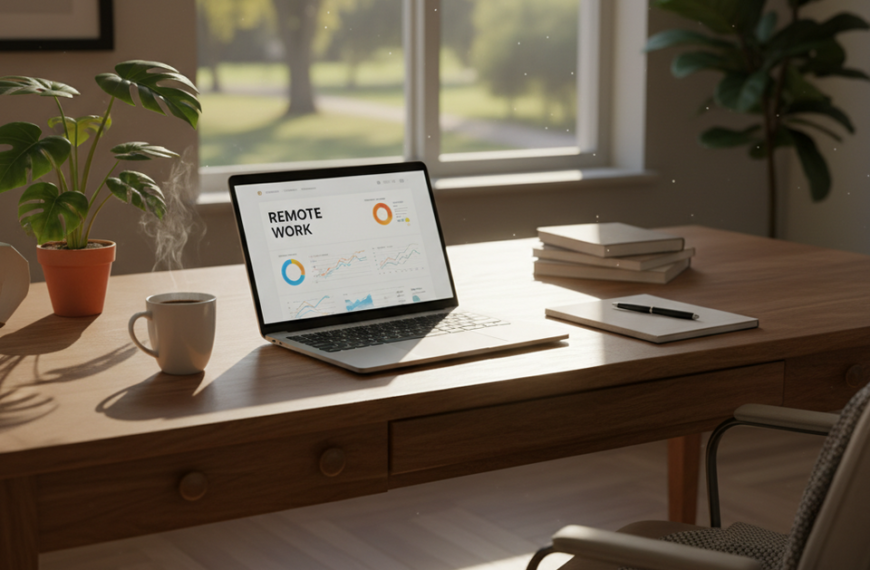

The Perfect Work-From-Home Daily Routine: Master Your Day in 2025
Ever feel like your work-from-home day is a chaotic blend of emails, errands, and half-eaten lunches at your desk? You’re not alone. In 2024, studies showed that over 40% of remote workers struggle with maintaining a healthy work-life balance [source placeholder]. It’s tough, I know! Juggling professional responsibilities with personal life when your office is also your living room can be a real challenge. But don’t worry, this guide will provide you with the perfect work-from-home daily routine. We’ll cover setting boundaries, prioritizing tasks, and incorporating self-care to help you thrive in your remote work setup.
In this guide, I’ll share my secrets for crafting a daily routine that not only boosts productivity but also protects your mental and physical well-being. We’ll dive into practical strategies you can implement today to reclaim your time and enjoy the flexibility of remote work without the burnout. Think of it as a recipe for a calmer, more focused, and ultimately, more fulfilling work-from-home life!
Why a Routine Matters When You Work From Home (The Struggle is Real!)
Let’s be honest, one of the biggest perks of working from home is the flexibility. But that flexibility can quickly become a double-edged sword. Without a structured routine, it’s easy to fall into the trap of working longer hours, blurring the lines between work and personal life, and feeling constantly stressed. I used to think that waking up whenever I wanted and working whenever I felt like it was the key to happiness. Turns out, it was a one-way ticket to burnout.
According to a recent survey, remote workers report feeling more isolated and experiencing higher levels of stress compared to their office-based counterparts [source placeholder]. Here’s the thing: a routine isn’t about rigidity; it’s about creating a framework that supports your goals, protects your time, and promotes your well-being. It’s about creating a sustainable system.
A solid routine provides:
- Structure: A predictable schedule reduces decision fatigue and helps you stay on track.
- Boundaries: Clear start and end times prevent work from creeping into your personal life.
- Prioritization: A well-planned routine allows you to focus on the most important tasks.
- Self-Care: Incorporating breaks and personal time helps prevent burnout.
Don’t get me wrong – you don’t need to become a robot. But a little structure can go a long way in preserving your sanity. Remember that time I accidentally joined a client meeting in my pajamas? Yeah, a routine might have prevented that.
Understanding the Core Components of a Successful Work-From-Home Routine
A successful work-from-home routine isn’t just about scheduling tasks; it’s about understanding your own energy levels, priorities, and personal needs. It’s a personalized approach that takes into account your unique circumstances. Think of it like building a custom suit – it needs to fit *you* perfectly.
Here are the key components to consider:
- Time Blocking: Allocate specific time slots for specific tasks.
- Task Prioritization: Identify and focus on the most important tasks first.
- Breaks and Self-Care: Schedule regular breaks to recharge and prevent burnout.
- Physical Activity: Incorporate movement into your day to boost energy and focus.
- Mindfulness and Focus: Start the day with meditation to enhance focus.
In 2025, I’ve noticed a growing trend towards incorporating mindfulness practices into the workday. It’s not just about productivity; it’s about cultivating a sense of calm and well-being amidst the chaos. I used to roll my eyes at meditation, but honestly, even five minutes a day makes a difference. You might be wondering if all this actually helps? Keep reading and you will find out.
Crafting Your Morning Routine: Set the Tone for a Productive Day
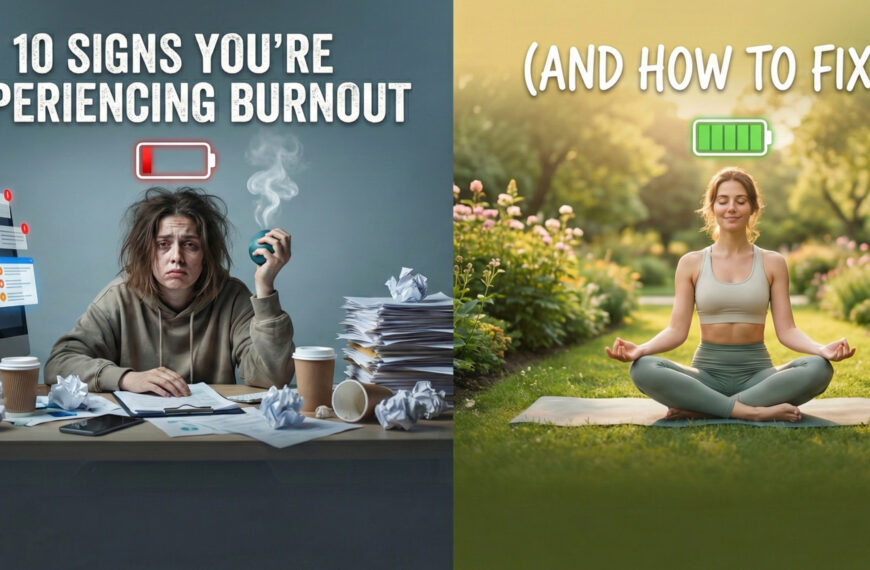
Your morning routine is the foundation of your entire workday. It sets the tone for your productivity, energy levels, and overall mood. Avoid the temptation to roll out of bed and immediately check your email. Instead, create a deliberate morning routine that nourishes your mind and body.
Here’s a sample routine:
- Wake Up Early (But Not Too Early): Aim for a consistent wake-up time, even on weekends.
- Hydrate: Drink a glass of water to rehydrate your body after sleep.
- Mindfulness: Start with meditation (5-10 minutes) to clear your mind and set intentions.
- Exercise: Engage in light exercise (yoga, stretching, or a brisk walk) to boost energy.
- Fuel Your Body: Eat a healthy breakfast that provides sustained energy.
- Review Your Tasks: Create a to-do list and prioritize your tasks for the day.
Last year, I was struggling to focus in the mornings. Then I started incorporating a quick 15-minute yoga routine. It’s amazing how much of a difference it makes! Find what works for you and stick with it. This won’t work for everyone, especially if you hate mornings!
💡 **Pro Tip:** Prepare as much as possible the night before. Lay out your clothes, pack your lunch, and plan your breakfast to save time and reduce morning stress.
Mastering Time Blocking: How to Schedule Your Day for Optimal Focus
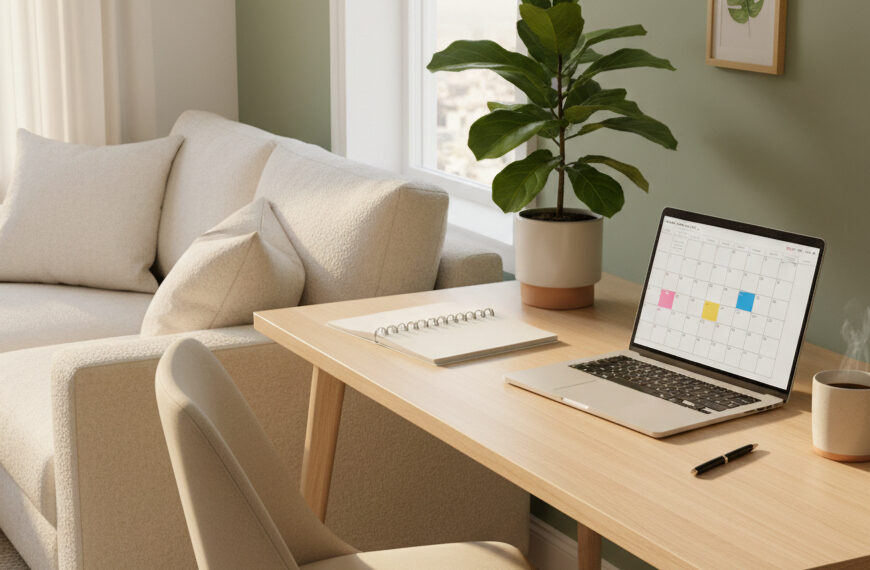
Time blocking is a powerful technique for maximizing your productivity and staying on track throughout the day. It involves allocating specific time slots for specific tasks, treating your schedule like a Tetris game. Here’s how to make it work for you:
- Identify Your Peak Performance Times: Determine when you’re most alert and focused.
- Schedule Deep Work: Dedicate your peak performance times to high-priority, cognitively demanding tasks.
- Batch Similar Tasks: Group similar tasks together to minimize context switching.
- Schedule Breaks: Incorporate short breaks every hour to avoid burnout.
- Plan for Unexpected Events: Leave buffer time in your schedule for unforeseen issues.
For example, from 9:00 AM to 11:00 AM, I might block off time for writing. From 11:00 AM to 12:00 PM, I’ll dedicate time to responding to emails. From 12:00 PM to 1:00 PM, it’s lunch and a walk. The key is to be realistic and flexible. Life happens!
What is Financial Freedom? A Complete Beginner’s Guide 2026 needs to also consider your mental capacity for working.
Combating Distractions: Creating a Focused Work Environment
Distractions are the enemy of productivity. In today’s digital age, they’re everywhere – from notifications to social media feeds to noisy family members. Here’s how to create a distraction-free work environment:
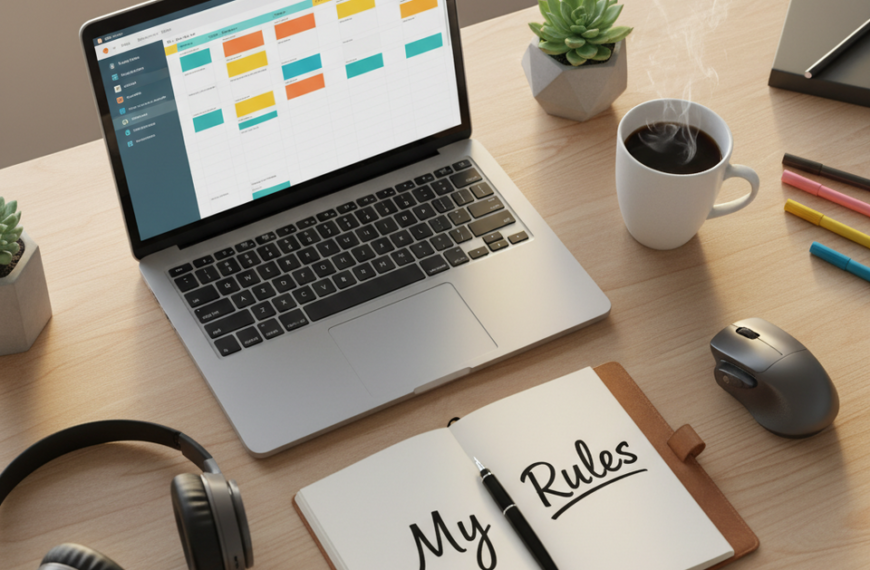
- Designate a Dedicated Workspace: Create a physical space that’s solely dedicated to work.
- Minimize Noise: Use noise-canceling headphones or a white noise machine to block out distractions.
- Turn Off Notifications: Disable notifications on your phone and computer.
- Use Website Blockers: Block distracting websites and social media platforms.
- Communicate Boundaries: Let your family or roommates know when you need uninterrupted time.
When I first started working from home, I made the mistake of trying to work from the couch while watching TV. Predictably, nothing got done! Now, I have a designated office space that’s free from distractions. My productivity has skyrocketed. If you have your own business what is financial freedom? A Complete Beginner’s Guide 2026 should also be applied to your business to get the most focus from your time.
⚠️ **Watch Out:** Don’t fall into the trap of multitasking. Studies have shown that multitasking actually reduces productivity and increases stress [source placeholder]. Focus on one task at a time for optimal results.
Prioritizing Well-being: Incorporating Breaks and Self-Care Into Your Day
Working from home can easily lead to burnout if you don’t prioritize your well-being. It’s crucial to incorporate regular breaks and self-care activities into your daily routine. Remember, you can’t pour from an empty cup.
Here are some simple ways to prioritize your well-being:
- Schedule Regular Breaks: Take a 5-10 minute break every hour to stretch, walk around, or grab a healthy snack.
- Practice Mindfulness: Take a few minutes each day to meditate, practice deep breathing, or simply observe your surroundings.
- Engage in Hobbies: Dedicate time to activities you enjoy, such as reading, painting, or playing music.
- Connect with Others: Schedule time to connect with friends and family, either in person or virtually.
- Get Outside: Spend time outdoors to soak up the sunshine and fresh air.
I know how frustrating it is when you feel like you don’t have time for self-care. But trust me, it’s worth it. Even a short walk during your lunch break can make a huge difference. Think of it as an investment in your long-term productivity and well-being. Consider, what is financial freedom? A Complete Beginner’s Guide 2026 for your mental health and personal life?
✨ **Quick Win:** Stand up and stretch every 30 minutes. Set a timer on your phone as a reminder. It’s a small change that can make a big difference in your energy levels.
Adapting Your Routine: Embracing Flexibility and Continuous Improvement
The perfect work-from-home routine isn’t a fixed entity; it’s a constantly evolving process. As your priorities, responsibilities, and personal needs change, your routine should adapt accordingly. Be willing to experiment with different approaches and make adjustments as needed.
Here are some tips for adapting your routine:
- Track Your Time: Monitor how you’re spending your time to identify areas for improvement.
- Experiment with Different Time Blocking Techniques: Try different time blocking methods to find what works best for you.
- Seek Feedback: Ask your colleagues, friends, or family for feedback on your routine.
- Be Patient: It takes time to develop a routine that works for you. Don’t get discouraged if it doesn’t happen overnight.
- Embrace Flexibility: Be willing to adjust your routine as needed to accommodate unexpected events or changing priorities.
Remember, the goal isn’t to create a perfect routine; it’s to create a routine that supports your goals, protects your time, and promotes your well-being. The perfect routine, is after all, flexible for life events.
According to research from [Source], flexible work schedules are associated with higher levels of job satisfaction and employee retention.
Check out this helpful article about managing your time while working from home: Time Management Tips for Remote Workers.
Conclusion: Reclaim Your Day and Thrive in Your Work-From-Home Life
Crafting the perfect work-from-home daily routine is an investment in your productivity, well-being, and overall success. By setting clear boundaries, prioritizing tasks, incorporating self-care, and embracing flexibility, you can create a routine that not only helps you achieve your professional goals but also allows you to enjoy the freedom and flexibility of remote work.
Remember, there’s no one-size-fits-all approach. Experiment with different strategies, find what works best for you, and don’t be afraid to adapt your routine as your needs change. In the future what is financial freedom? A Complete Beginner’s Guide 2026 will mean the ability to have the time freedom to create your perfect routine.
Ready to reclaim your day and thrive in your work-from-home life? Start small, be consistent, and celebrate your progress along the way. You’ve got this!
What’s your biggest challenge with creating a work-from-home routine? Share in the comments below!
For further reading, check out this article on setting up a productive home office: Creating a Productive Home Office.
FAQ: Common Questions About Work-From-Home Routines
Here are some frequently asked questions about work-from-home routines:
Q: How do I stay motivated when working from home?
A: Set clear goals, break down large tasks into smaller ones, create a dedicated workspace, reward yourself for accomplishments, and connect with other remote workers for support and accountability. Try using a digital tracker to monitor your successes.
Q: How do I avoid distractions when working from home?
A: Minimize noise, turn off notifications, block distracting websites, communicate boundaries with family members, and take regular breaks to recharge and refocus. Having a dedicated work space can greatly help with this.
Q: How do I separate work life from personal life when working from home?
A: Set clear start and end times for your workday, create a dedicated workspace, take regular breaks, engage in hobbies, and connect with friends and family outside of work hours. Shut down your computer when your workday is over.
Q: What is Financial Freedom? A Complete Beginner’s Guide 2026 will give you more free time. How can I still keep focus when I have all this new time?
A: Prioritize the important goals. Block out time in the calendar to continue to improve your lifestyle. Work on a passion project. Keeping busy with tasks will help keep you motivated.
Q: How do I stay healthy when working from home?
A: Incorporate regular physical activity into your day, eat a healthy diet, stay hydrated, take breaks to stretch and move around, and prioritize sleep. Get the blood flowing and consider working out with others.

 By
By